

Key Stats
About Kobe University
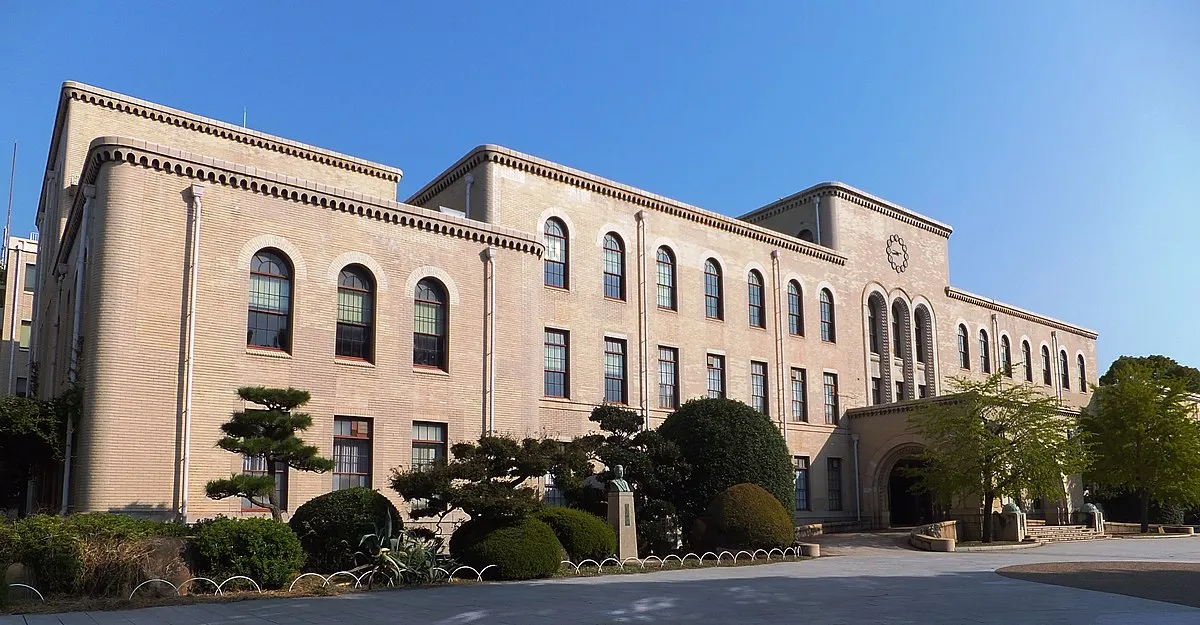
Kobe University is a national university headquartered in Kobe City, Hyogo Prefecture, established in 1949. As one of the leading comprehensive universities in the Kansai region, it offers a wide range of academic disciplines across both the humanities and sciences. The university is especially renowned domestically and internationally for its programs in economics, law, business administration, medicine, and natural sciences. For students aspiring to become researchers, Kobe University provides an outstanding educational environment along with well-equipped research facilities, making it a highly attractive choice.
Academic Research Characteristics and Strengths
Kobe University emphasizes research that values international perspectives and contributions to society. The university actively promotes international collaborative research, industry-academia partnerships, and regional cooperation, focusing on nurturing researchers with a global outlook. Notably, the Faculty of Economics excels in behavioral and environmental economics, the Faculty of Medicine leads in cutting-edge life medical science research, and the field of information science is advancing in AI and data science. These research areas receive substantial funding from both government and private sectors, creating a supportive environment for graduate students and early-career researchers.
Campuses and Research Facilities
Kobe University’s campuses are strategically located to provide optimal learning environments tailored to students’ fields of study. The Rokko-dai Campus, situated at the foot of Mount Rokko, houses the Faculties of Science and Engineering, while the urban and easily accessible Port Island Campus and Rokko-dai district offer modern facilities for other disciplines. The university is equipped with state-of-the-art laboratories, libraries, and research buildings, ensuring a fulfilling research experience. Additionally, the campuses are surrounded by rich natural environments, providing a tranquil atmosphere conducive to focused academic work.
Career Support and Future Prospects
Kobe University offers comprehensive career support not only for academic careers but also for students aiming to succeed in industry and international organizations. The university provides seminars, workshops, and support for conference participation tailored to researchers, along with enhanced assistance for postdoctoral positions and faculty employment after doctoral completion. Many faculty members and researchers have international experience, fostering an environment where students can build global networks. For those considering diverse career paths as researchers, Kobe University represents an ideal choice.
Ranking Data
| Subject | Japan Rank | World Rank | Score |
|---|---|---|---|
| Overall | 15 | 601-800 | 70 |
| Social Sciences | 11 | 501–600 | 30.9–33.5 |
| Engineering | 13 | 601–800 | 30.6–35.7 |
| Business & Economics | 9 | 501–600 | 32.2–34.9 |
| Arts & Humanities | - | - | - |
| Education Studies | 10 | 601 | 14.4–27.5 |
| Medical & Health | 11 | 301–400 | 39.4–43.6 |
| Psychology | 10 | 601 | 15.8–25.8 |
| Computer Science | 15 | 601–800 | 28.7–34.7 |
| Life Sciences | 15 | 501–600 | 34.7–37.7 |
| Physical Sciences | 12 | 601–800 | 32.1–36.5 |
| Metric | Score |
|---|---|
| Overall Score | 70 |
| Teaching | 38.2–43.2 |
| Research Environment | 27.3 |
| Research Quality | 45.5 |
| International Outlook | 39.2 |
Most Cited Researchers
| Researcher | Subjects | Citations |
|---|---|---|
Akira Suzuki  | Cancer, Cell Signaling, Mouse Models | 51,081 |
Akihiko Kondo | Metabolic Engineering, Synthetic Biology, Cell Surface Engineering, Nanobiotechnology | 50,608 |
TAKENAWA TADAOMI | 39,317 | |
Hideto Matsuyama | Membrane Separation | 26,984 |
Yoshihiro Kakeji | Gastrointestinal Surgery | 25,746 |
Yoshiyuki Tatsumi | Earth Sciences | 20,432 |