

Key Stats
About Shizuoka University
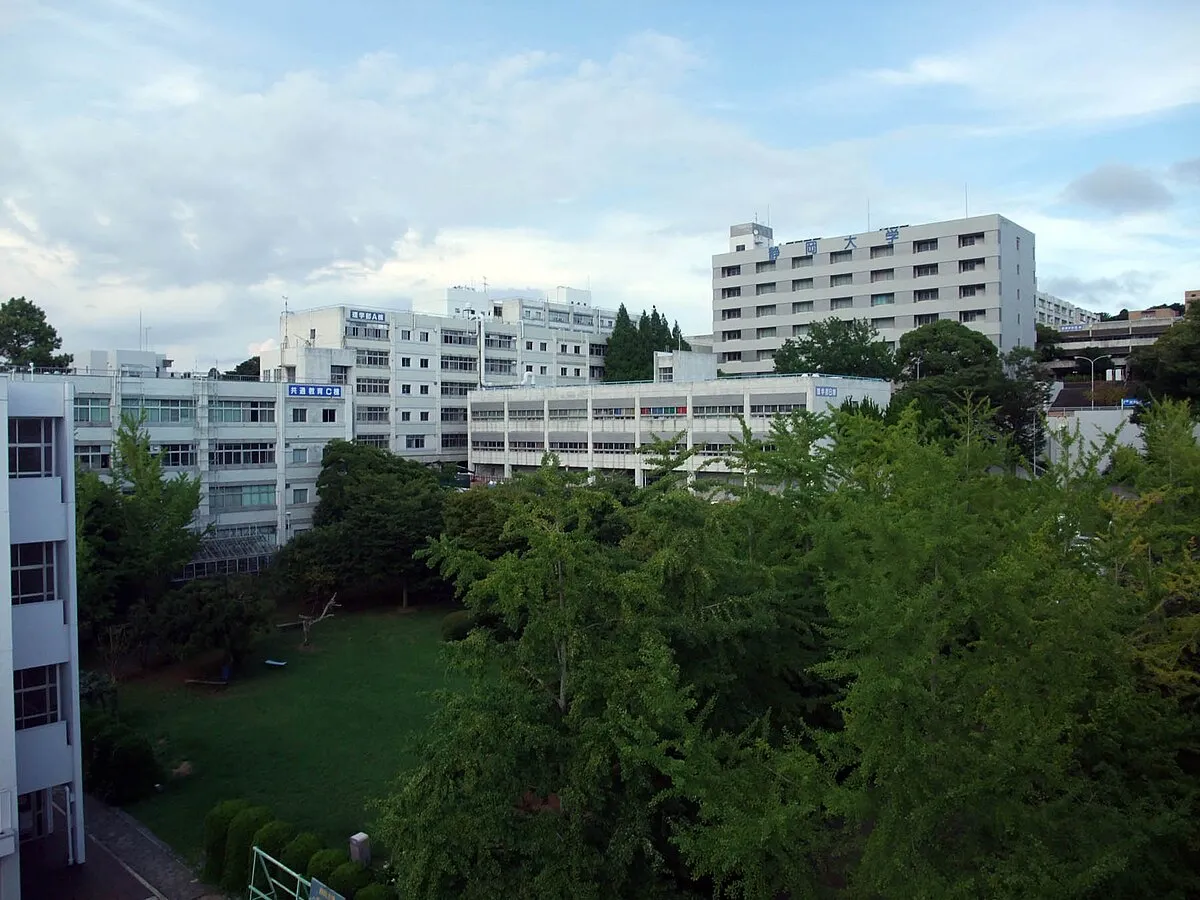
Shizuoka University, a national university headquartered in Suruga Ward, Shizuoka City, Shizuoka Prefecture, was established in 1949. Known for its strong emphasis on collaboration with the local community while incorporating a global perspective, the university offers education and research across a wide range of fields including science and engineering, agriculture, and humanities and social sciences. As a hub for knowledge and human exchange that connects the region with the world, Shizuoka University is committed to contributing to local society while actively building international research networks.
Research Environment and Features
Shizuoka University is highly regarded for its cutting-edge research in the natural sciences, with particular strengths in the Faculties of Agriculture and Engineering. The university hosts numerous globally recognized projects in environmental science and biotechnology, integrating state-of-the-art laboratory facilities with extensive fieldwork opportunities. For example, the Sustainability Research Hub is advancing multifaceted studies aimed at environmental conservation and the effective utilization of regional resources. International collaborative research is also vibrant, with strong partnerships with universities and research institutions worldwide, making it an attractive environment for students seeking to engage in research with a global outlook.
University Support System
Shizuoka University is proactive in creating an environment that supports students’ research activities, offering comprehensive research funding programs for doctoral candidates. A dedicated faculty advisor system provides personalized guidance, including support for academic writing and conference presentations. Frequent research exchange meetings and seminars foster networking opportunities with researchers and students from diverse disciplines. Additionally, the university promotes industry-academia collaboration, providing numerous opportunities for those interested in pursuing research topics with practical applications in society.
Career and Employment Support
Graduates of Shizuoka University have gone on to thrive at universities, research institutions, and corporate research centers both in Japan and internationally. The university actively supports career development, offering a wide range of services such as internships, job counseling, and career-building seminars tailored for students aiming for research careers. Regular lectures and workshops featuring distinguished researchers from Japan and abroad ensure that students stay abreast of the latest research trends. With a solid foundation for launching a career as a researcher, Shizuoka University represents an excellent choice for students aspiring to pursue academic research careers.
Ranking Data
| Subject | Japan Rank | World Rank | Score |
|---|---|---|---|
| Overall | 94 | 1501 | 48 |
| Social Sciences | - | - | - |
| Engineering | 39 | 1001–1250 | 19.5–25.5 |
| Business & Economics | - | - | - |
| Arts & Humanities | - | - | - |
| Education Studies | - | - | - |
| Medical & Health | - | - | - |
| Psychology | - | - | - |
| Computer Science | 32 | 1001 | 11.4–21.4 |
| Life Sciences | 53 | 1001 | 10.8–20.7 |
| Physical Sciences | 42 | 1001 | 9.3–26.0 |
| Metric | Score |
|---|---|
| Overall Score | 48 |
| Teaching | 10.5–25.1 |
| Research Environment | 16.1 |
| Research Quality | 18 |
| International Outlook | 35.3 |
Most Cited Researchers
| Researcher | Subjects | Citations |
|---|---|---|
Takashi Nagatani | Traffic Dynamics, Nonlinear Dynamics, Complex Systems | 14,278 |
Prof.Yasuhiro Hayakawa  | Materials Science, Crystal Growth, Microgravity, Nanomaterials | 12,412 |
Enoch Y. Park | Biotechnology, Biochemistry, Biochemical Engineering, Nanobiotechnology | 12,132 |
Toru Aoki | 11,989 | |
Makoto Otsuka | Process Analytical Technology | 11,712 |
Shoji Kawahito | Image Sensors, Sensor Interface Circuits, Sensor Signal Processing, Mixed-Signal Integrated Circuits | 11,612 |